
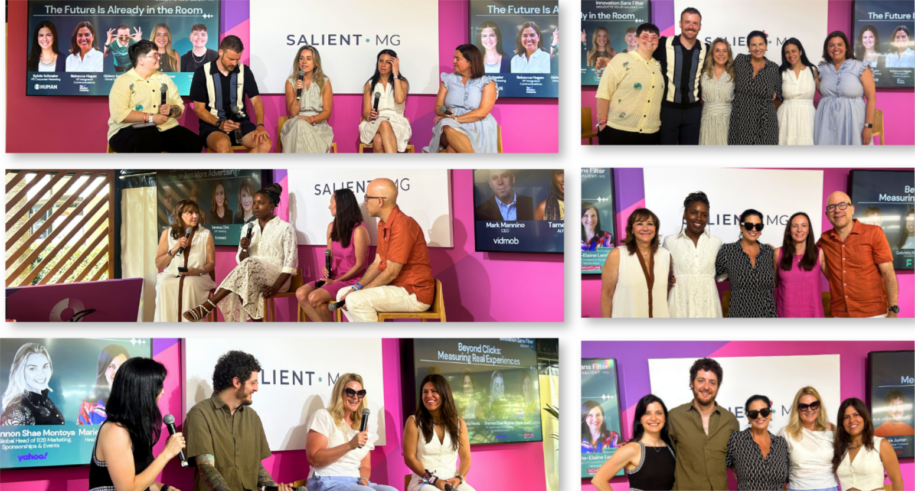
The final day of Innovation Sans Filter at the Infillion Café wasn’t really about AI.
It was about everything AI can’t do.
Across conversations on leadership, creativity, and measurement, the same theme kept resurfacing: as technology becomes more capable, the things that create real value are becoming more human.
The Future Still Runs on People
For all the conversation about prompts and platforms, the leadership panel spent surprisingly little time talking about tools. Instead, it focused on the skills AI can’t automate.
Canva’s Gideon Spitzer-Williams shared that managers are called “coaches,” a subtle but important shift. Leadership today isn’t about being the person with all the answers. It’s about helping other people do their best work.
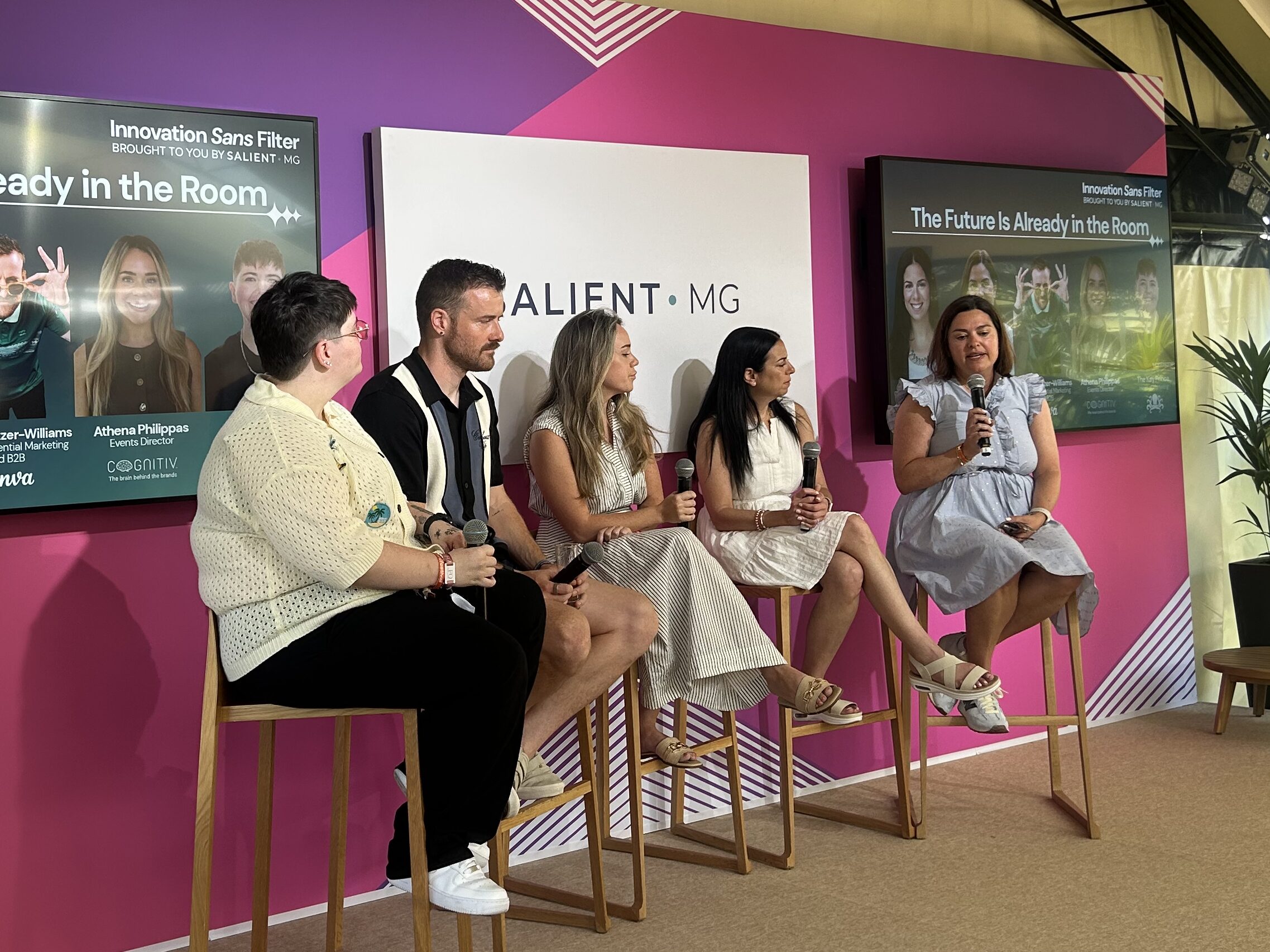
Humanoid’s Sylvie Schnaier put it even more bluntly: future leaders will need to become “unbelievable soft skill people.” Gratitude. Empathy. Flexibility. The ability to navigate change and bring others with you. Those qualities have always mattered, but in a world where the hard skills are increasingly democratized, they start to become a real differentiator.
The panel also offered an interesting warning: don’t mistake efficiency for progress. Several speakers pushed back on the idea that AI should lead companies to hire fewer junior employees. As Spitzer-Williams noted, the freshest ideas often come from the most junior people in the room.
AI Can Generate More, But It Still Needs Taste.
The conversation around advertising reached a similarly nuanced conclusion.
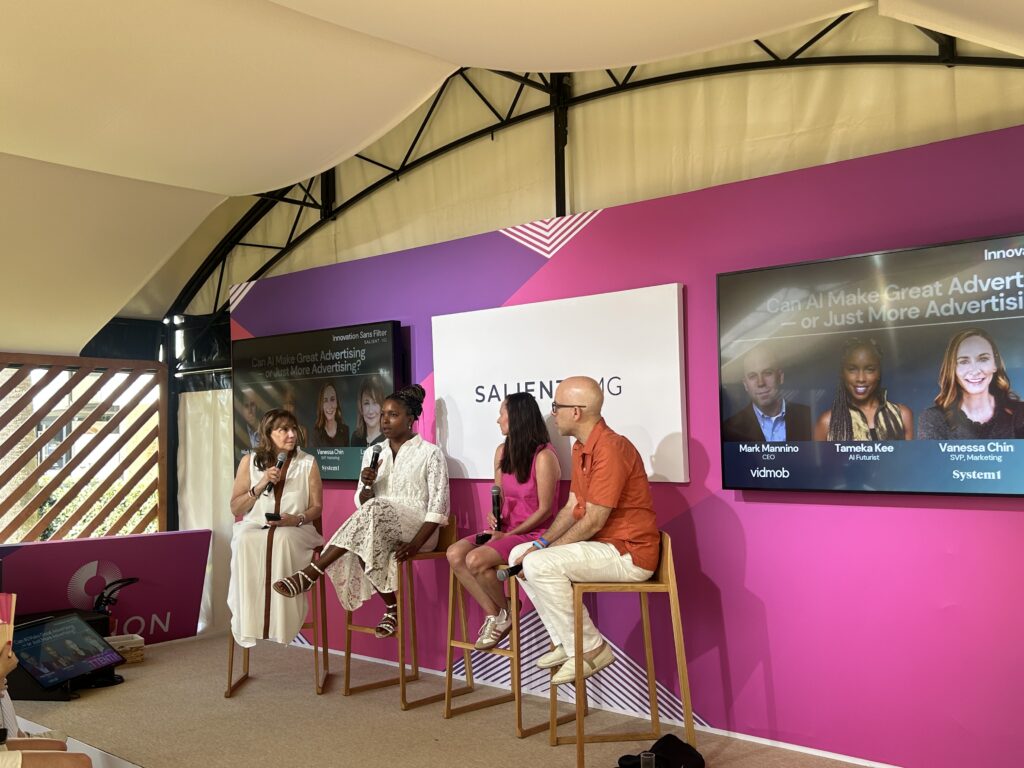
Can AI make great advertising? Sometimes.
Can it make more advertising? Absolutely.
But several panelists argued that simply having access to the tools isn’t enough. You need to know how to use them well. As advertising journalist Tameka Kee noted, you need to “interrogate the tools.” Because great advertising still starts with judgment, a distinct point of view, a strong brief, and an understanding of what makes a brand different and what makes people care.
AI can create thousands of variations, but it still takes people to know which ideas are worth pursuing.
The Best Marketing Creates Memories
The final panel wasn’t really about measurement. It was about memory.
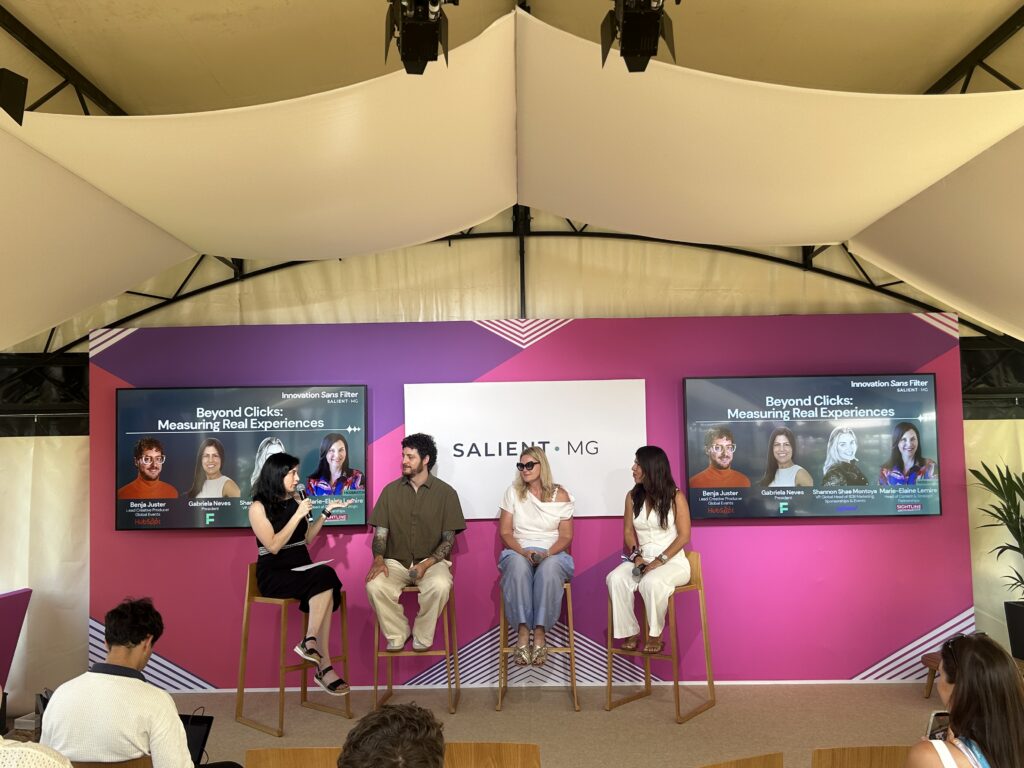
When asked to define great marketing without using metrics, Yahoo’s Shannon Shea Montoya simply said: “We’re in the business of making memories.”
That idea resonated throughout the discussion. People don’t remember impressions. They remember how brands made them feel, the experiences they talk about afterward, and the moments they share with other people.
As HubSpot’s Benja Juster put it, audiences listen, but communities participate. The strongest brands don’t just broadcast a message, they invite people into the story.
And in a world flooded with content, real-world experiences are even more valuable. Juster called them “scarcity content”—moments that activate all five senses and offer something increasingly rare: an experience people know is real.
The Edge Is Still Human
For a day centered on AI, there was surprisingly little talk about technology itself.
Instead, the conversations focused on judgment, trust, creativity, and community. The things that don’t fit neatly into a dashboard, but often determine whether an idea, a campaign, or a brand actually resonates.
A fitting note to end the day: the tools keep changing, but understanding people is still the job.